
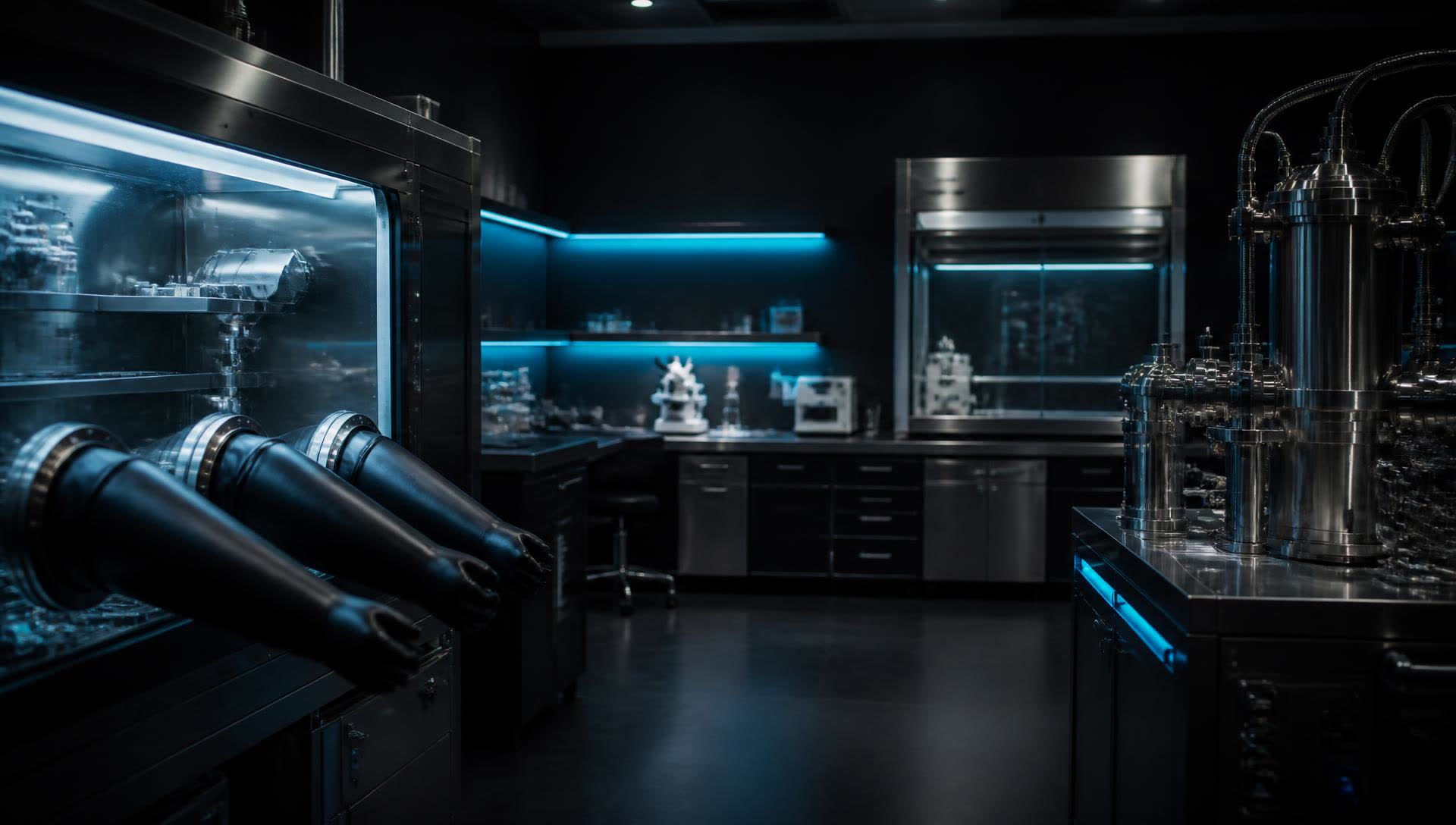
70.energy · Belgian-Japanese prelithiation team
Accelerate Your Prelithiation Development
A Belgian-Japanese team offering prelithiation technology, laboratory equipment and expertise.
We help battery developers worldwide find the right combination of materials, chemistry, lithium dosage and process parameters — with adaptable laboratory equipment and direct access to Japanese prelithiation expertise.
Prelithiation technology, equipment and services.
The challenge
Higher energy density, without an uncontrolled development path
Battery developers are under pressure to increase usable energy density, minimise initial capacity loss, validate new materials and improve battery performance. These challenges involve graphite, silicon, composite anodes, other advanced active materials, binders, electrolytes — and the interaction between all components.
The open questions
- Which prelithiation approach fits the application?
- Which active materials, binders, and electrolytes are compatible?
- How much lithium should be introduced?
- Which process parameters should be tested?
- How can expansion and degradation be managed?
- How can experiments become repeatable and comparable?
- Which laboratory equipment fits the project?
- Is the proposed process technically and economically feasible?
Commercial consequences
- Longer development timelines
- Repeated and expensive experiments
- Delayed customer projects
- Higher investment risk
- Failure to reach required performance targets
We bring materials, chemistry, process development and adaptable laboratory equipment into one structured development pathway.
Who we are
A Belgian-Japanese team
A Belgian-Japanese team: European project handling combined with Japanese materials and process expertise.
Prelithiation technology, equipment and services. Projects are handled by us directly, with the technology and equipment developed together with our Japanese partner.
Our own production
We prelithiate all anode types — and produce prelithiated silicon anodes
We prelithiate all anode types, from graphite and composite anodes to full-silicon anodes. Prelithiated silicon anodes are produced in small series on our own line in Japan, and we are currently scaling manufacturing in Europe with a European supply chain.
- Prelithiation for all anode types, not silicon only
- Small-series production of prelithiated silicon anodes on our own line in Japan
- European manufacturing being scaled up with a European supply chain
- Zero initial capacity loss
- More than 500 cycles
Material-neutral
More Than a Silicon Challenge
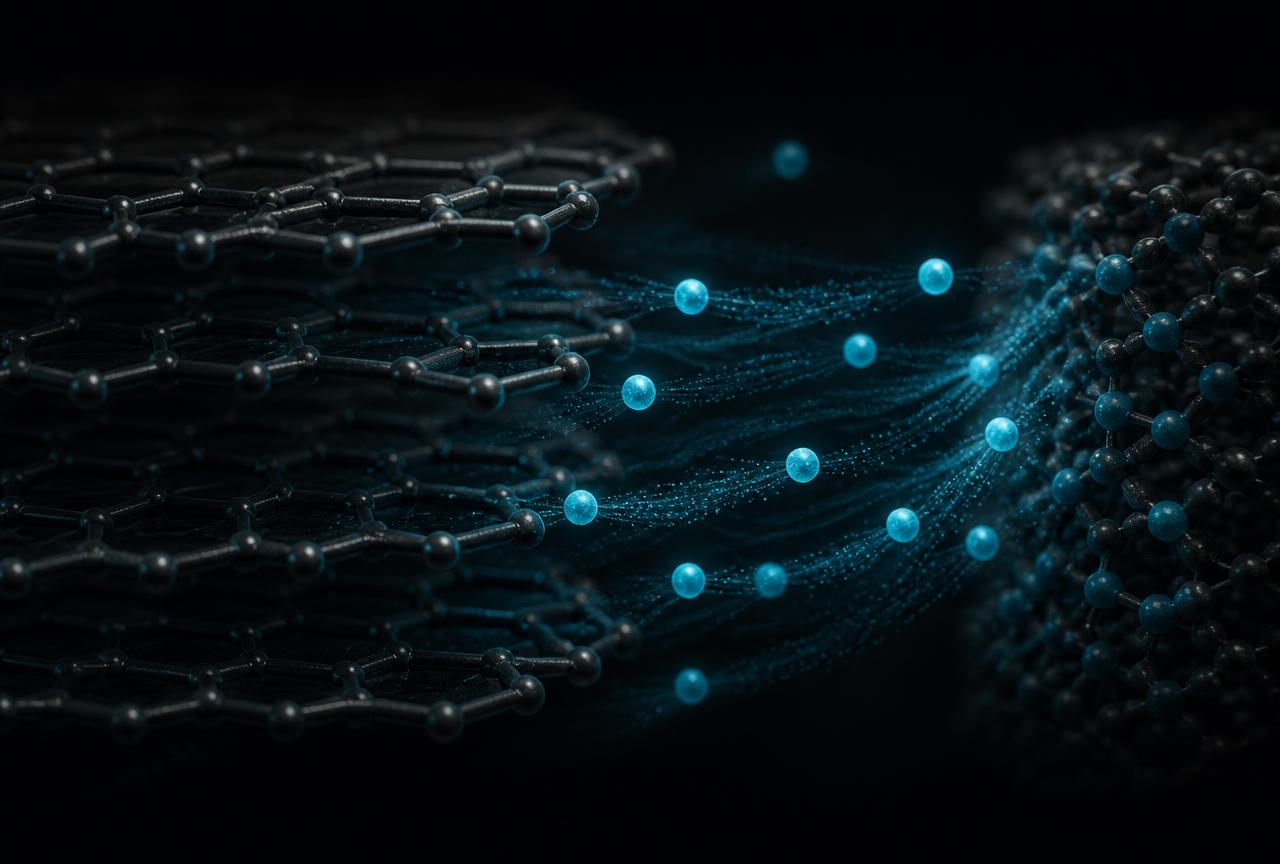
Prelithiation is not a silicon-only technology. The technology scope is relevant to battery-cell chemistries that use lithium ions for energy transport or storage.
Graphite, silicon, composite anodes and other advanced active materials can be evaluated, together with the binder and electrolyte system. Universal compatibility is not implied: suitability depends on the material system, cell chemistry, performance target and process conditions.
Starting point
What Are You Working On?
Most projects start with one concrete question. Select the one closest to yours.
Validate a new material
Evaluate how a new anode material, binder or electrolyte behaves under defined prelithiation conditions.
Continue →Reduce initial capacity loss
Investigate how lithium dosage and process parameters can be used to address initial capacity loss.
Continue →Increase energy density
Explore material and process combinations designed to support higher usable energy density.
Continue →Optimise binders and electrolytes
Assess interactions between active material, binder and electrolyte system in a structured test sequence.
Continue →Develop an in-house prelithiation process
Build a repeatable laboratory process that fits your existing development workflow.
Continue →Select or adapt laboratory equipment
Compare compact, modular, batch and continuous equipment configurations for your electrode formats.
Continue →Assess technical and economic feasibility
Review target performance, methods and effort before committing to a development programme.
Continue →One source
Technology, equipment and expertise
Three capabilities that are usually sourced separately, combined into one development pathway.
Technology & Process
Four prelithiation approaches, method comparison, lithium-dosage development and a structured seven-step workflow.
Technology →Laboratory Equipment
Compact, modular, batch and continuous roll-to-roll equipment, configured to your electrode formats and process questions.
Equipment →Scientific Expertise
A publication record across anodes, cathodes, electrolytes, silicon and organic materials, and complete battery concepts.
Expertise →Development process
Seven steps from target performance to validated results
A structured sequence that keeps experiments repeatable and comparable.
- 01
Define target performance
Clarify the electrochemical and commercial targets that the development work should support.
- 02
Analyse materials and cell chemistry
Review active materials, binder and electrolyte system, electrode design and cell format.
- 03
Compare and select a prelithiation method
Weigh the available approaches against the material system, development stage and equipment environment.
- 04
Calculate preliminary lithium dosage
Derive a first dosage estimate to be verified experimentally.
- 05
Develop process parameters
Define electrical settings, treatment time, atmosphere and handling conditions for the trials.
- 06
Configure suitable laboratory equipment
Match electrode formats, throughput and monitoring needs to an equipment configuration.
- 07
Validate electrochemical results
Assess repeatability and comparability of results and refine the parameter set.
Method selection
Four approaches, compared against your project
No approach is always best. The correct choice depends on your material system, development stage, equipment environment, target performance and economic requirements.
| Approach | Principle | Typically considered for |
|---|---|---|
| Electrochemical prelithiation | Lithium is introduced electrochemically using a controlled current and voltage profile. | Development work where lithium dosage has to be adjusted precisely and reproducibly. |
| Chemical prelithiation | Lithium is introduced via a chemical reaction with a lithium-containing reagent system. | Material screening and cases where an electrical process step is not preferred. |
| Direct-contact prelithiation | The electrode is brought into contact with a lithium source under defined conditions. | Electrode-level trials and comparative studies on prepared electrode sheets. |
| Lithium-containing additives | A lithium source is added within the electrode formulation or cell components. | Approaches that aim to stay close to an existing electrode-production sequence. |
Who we work with
Development teams building lithium-ion based systems
- Battery-cell developers and manufacturers
- Solid-state battery developers and manufacturers
- Lithium-ion capacitor developers and manufacturers
- Anode and active-material producers
- Binder and electrolyte developers
- Independent laboratories and research institutes
- Universities and academic research teams
Typical roles include CTOs, heads of R&D, laboratory managers, battery and material scientists, process engineers, innovation managers, CEOs and company owners.
Application examples
Where the work is applied
- Consumer electronics
- Drones and robotics
- Electric mobility
- Aviation and aerospace
- Industrial power applications
- High-performance research cells
- Next-generation battery systems
Working on a silicon-dominant anode concept? See our full-silicon anode development page.
Laboratory equipment
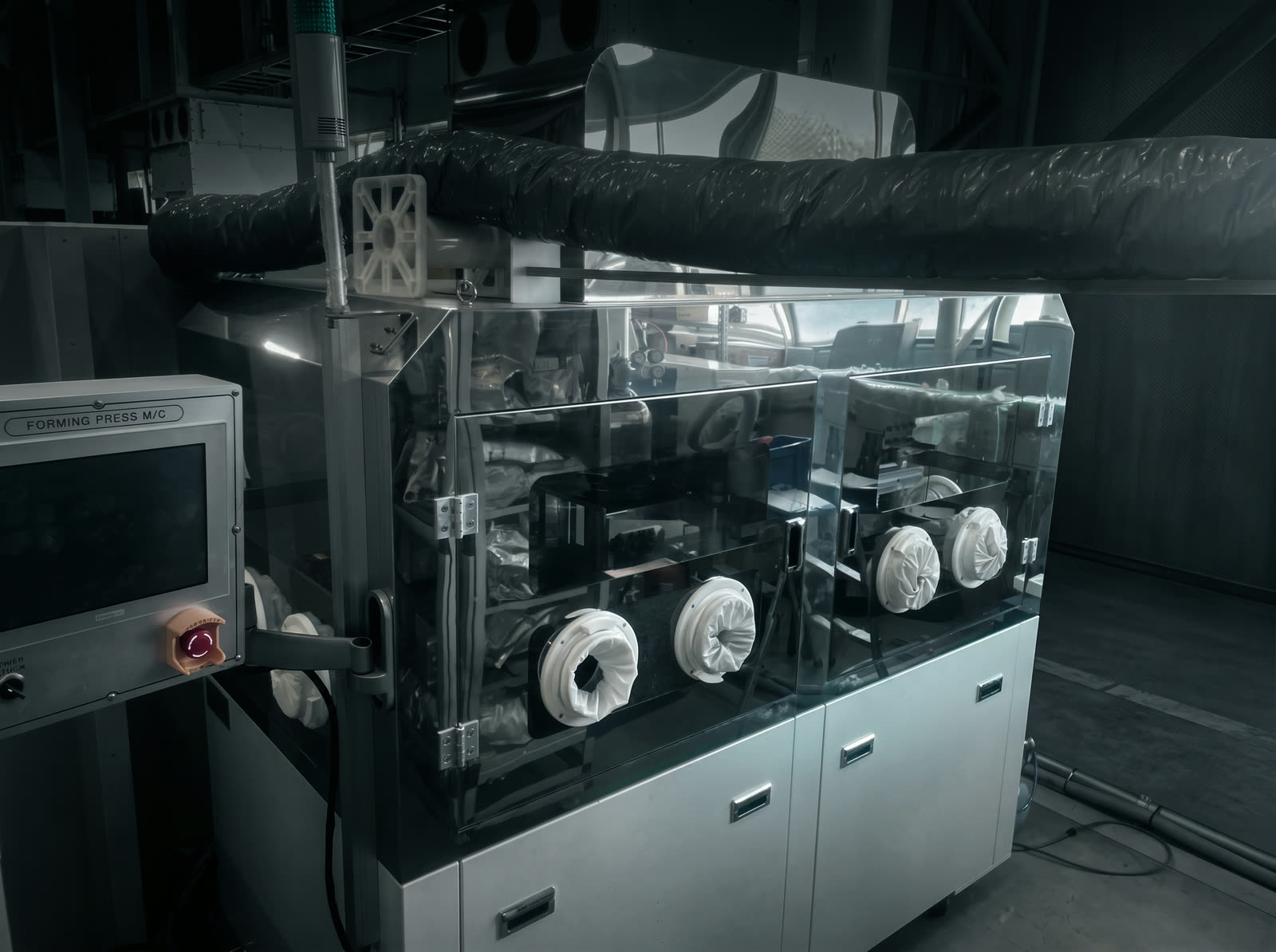
Adaptable equipment, configured per project
Four categories cover early screening through to continuous electrode handling in laboratory development work.
- Compact Laboratory Equipment
- Modular Laboratory Systems
- Batch Equipment for Electrode Sheets
- Continuous Roll-to-Roll Equipment
Equipment imagery is conceptual and not an exact product photograph.
Scientific credibility
A specialist team, not a generalist supplier
Dr. Satoh
Named scientific expert
Dr. Masaharu Satoh, with a confirmed record of approximately 500 scientific publications in battery materials and cell research.
Battery R&D
Extensive research experience
Anodes and cathodes, electrolytes and separators, silicon and organic materials, prelithiation, and complete battery concepts.
Lab + process
Equipment and process capabilities
Adaptable laboratory equipment combined with process-development and parameter work.
Knowledge base
Prelithiation glossary
Plain, qualified explanations of the terms that come up in every project.
Browse everything
All pages, guides and glossary terms
Every page of this site in one list, including the Japanese edition.
Discuss your project with a specialist
Share your material system and target performance. The first step is a free introductory expert call.